PLEASE SELECT YOUR COUNTRY

PLEASE ENTER YOUR DATE OF BIRTH

Forward Advice Notice: Please note that this page and all content on it is intended for adults. Please do not forward the content on this page to anyone under the legal purchase age of your country
066A6490

COMPETE TO THE BEAT

PNAxSF_0007_RGB_2 2

F1 drivers use music to both train and motivate themselves before races. Scientific research proves this is a winning strategy, as music writer John Lewis discovers.

Sometimes, the most potent performance enhancer for an athlete might be a song.

Costas Karageorghis is a professor in sport and exercise psychology at Brunel University of London. His research proves that the correct type of music can improve an athlete’s performance. “By elevating their mood, by syncing music’s rhythmic qualities with their body’s movements, or by distracting them from physical discomfort,” he explains.

The evidence, he says, citing more than 100 psychological studies, shows that selecting the correct kind of music during training can improve endurance and positivity. “Music lowers your perception of effort,” he adds. “It can trick your mind into feeling less tired during a workout and also encourage positive thoughts.” 

At its most basic, music is a simple pulse for a training athlete. A runner wanting to achieve a stride rate, or a rower wanting to sustain a stroke rate, can use music to maintain cadence. Musical playlists can now be tailor-made for precise beats per minute to regulate speeds.

Such synchronisation can help with motor skills and motivation. 

But research shows that music’s role is more complex than that. It can affect an athlete’s perceptions of exertion. It can induce alpha brainwave activity, leading to a state where athletes are fully immersed, almost feeling like they are on autopilot. The brain’s motor cortex, which controls motor function and coordination, allows us to find our own rhythm during physical activity.
“Music won’t make drivers braver or less dehydrated, but it can help them prepare for competition.”

Even racing drivers are learning the benefits. Obviously, no driver can listen to music while racing, simply because an F1 cockpit is one of the loudest workplaces on Earth. Noise levels upwards of 120 decibels make it sound like a jet engine during take-off, so that drivers wear custom-moulded earplugs to maintain communication with their race engineers and listen out for safety alerts while blocking out engine noise. 

Before races start, however, you will see drivers wearing headphones in an effort to psych themselves up for competition. They also regularly use music during physical training off the track.

Motor racing is a complex sport. As well as being emotionally draining, it is physically demanding (due to heat and G-forces in the cockpit) and mentally challenging (requiring split-second decisions under pressure). Music won’t make drivers braver or less dehydrated, but it can help them prepare for competition. 

Listening to music while mentally rehearsing a race improves visualisation, for instance. “Elite athletes use music to calibrate performance,” says Karageorghis in his book Applying Music in Exercise and Sport. “Preparing with fast, up-tempo music can increase adrenaline and alertness before races, while soft, slow music can manage anxiety.”

Compete_to_the_Beat_Lewis_Hamilton_1

Less well documented, though, are the top racing drivers who play music: Fernando Alonso, Juan Pablo Montoya, Daniel Ricciardo, Kenny Bräck and Damon Hill are all keen guitarists; Jenson Button is an accomplished pianist and guitarist; while Martin Brundle and Nigel Mansell both took guitar and piano lessons after retiring from motor sports. 

Go further back and you’ll find top drivers who were budding opera singers (Giuseppe Campari), classical pianists (Elio de Angelis, François Cevert, Adrian Sutil and Phil Hill), drummers (Graham Hill) and classically trained trumpeters (Gilles Villeneuve and James Hunt). 

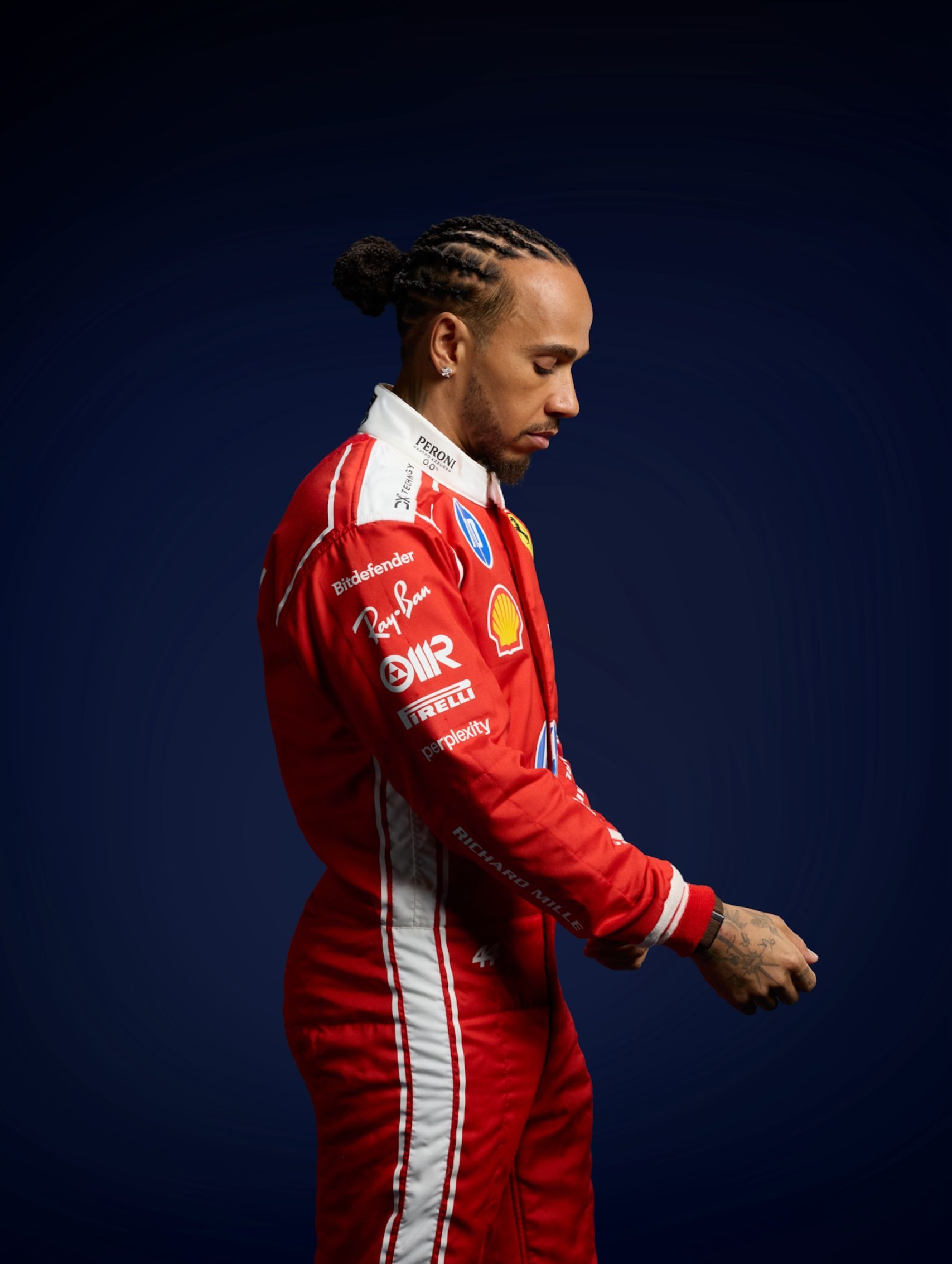
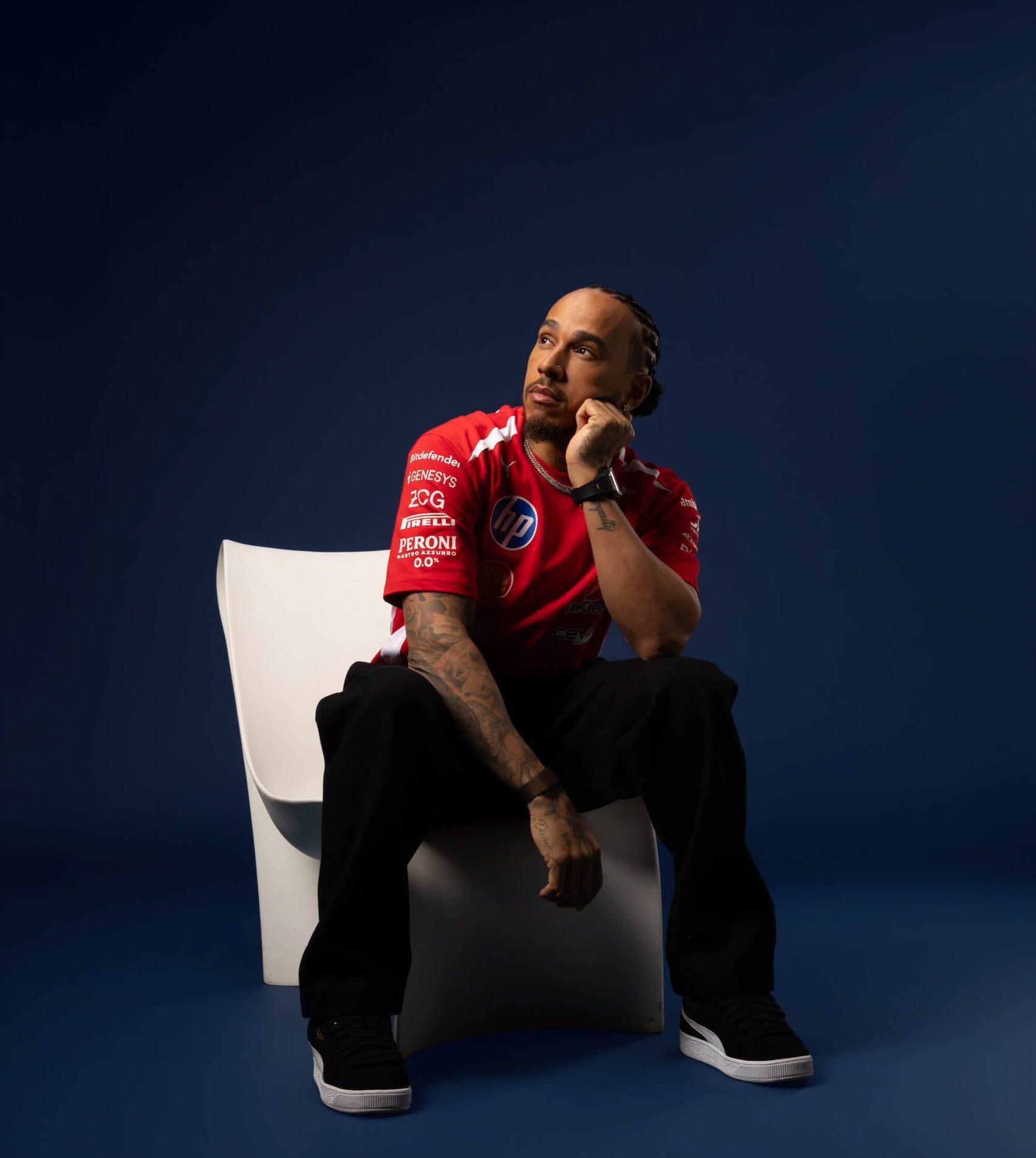
“I don’t use songs to gee myself up, more to calm down,” Lewis Hamilton, Scuderia Ferrari HP drivers, tells Off Grid. “Piano music, afro-house and afro-beats – those are my go-to genres.”

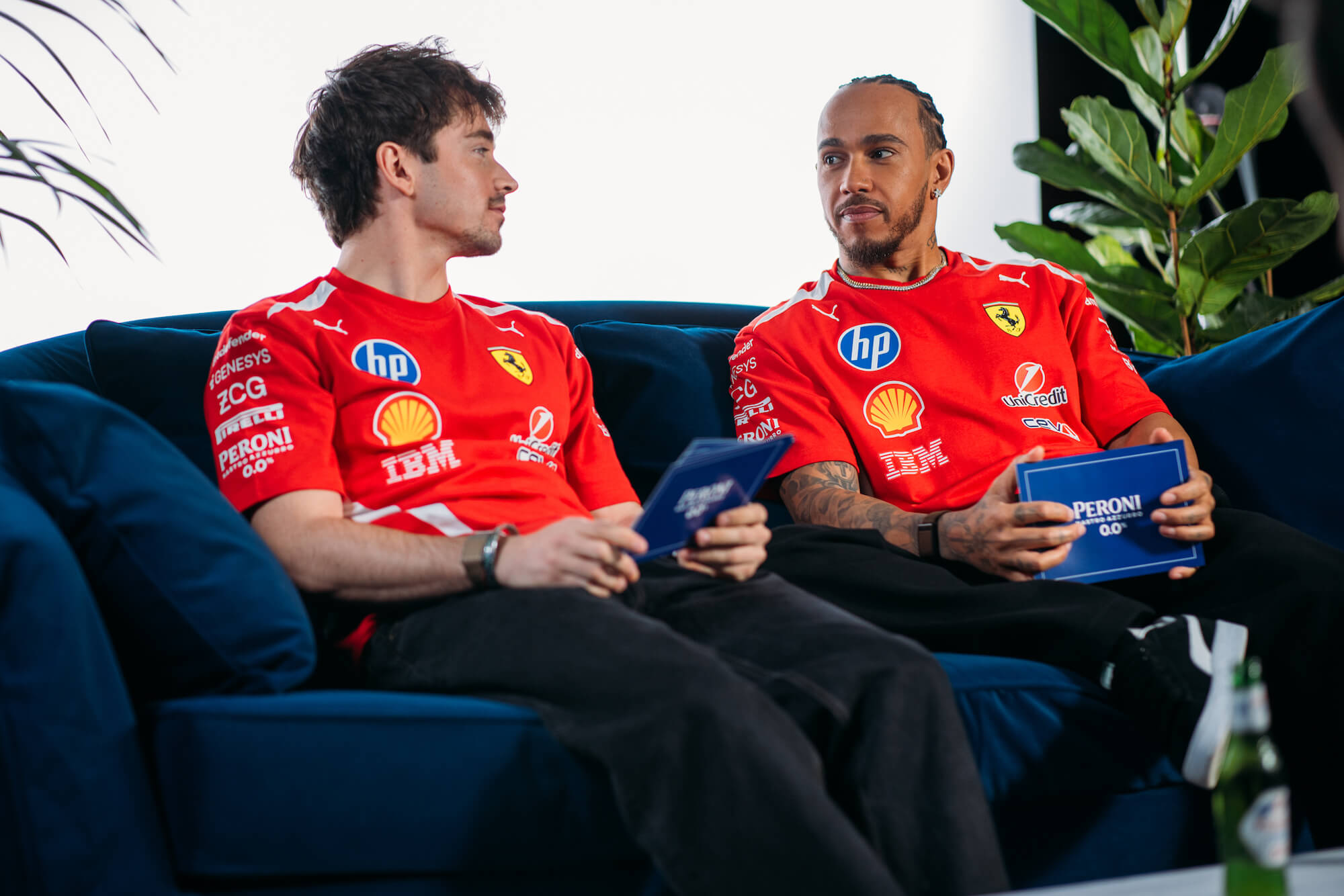
The Scuderia Ferrari HP drivers talk to their musical connection.

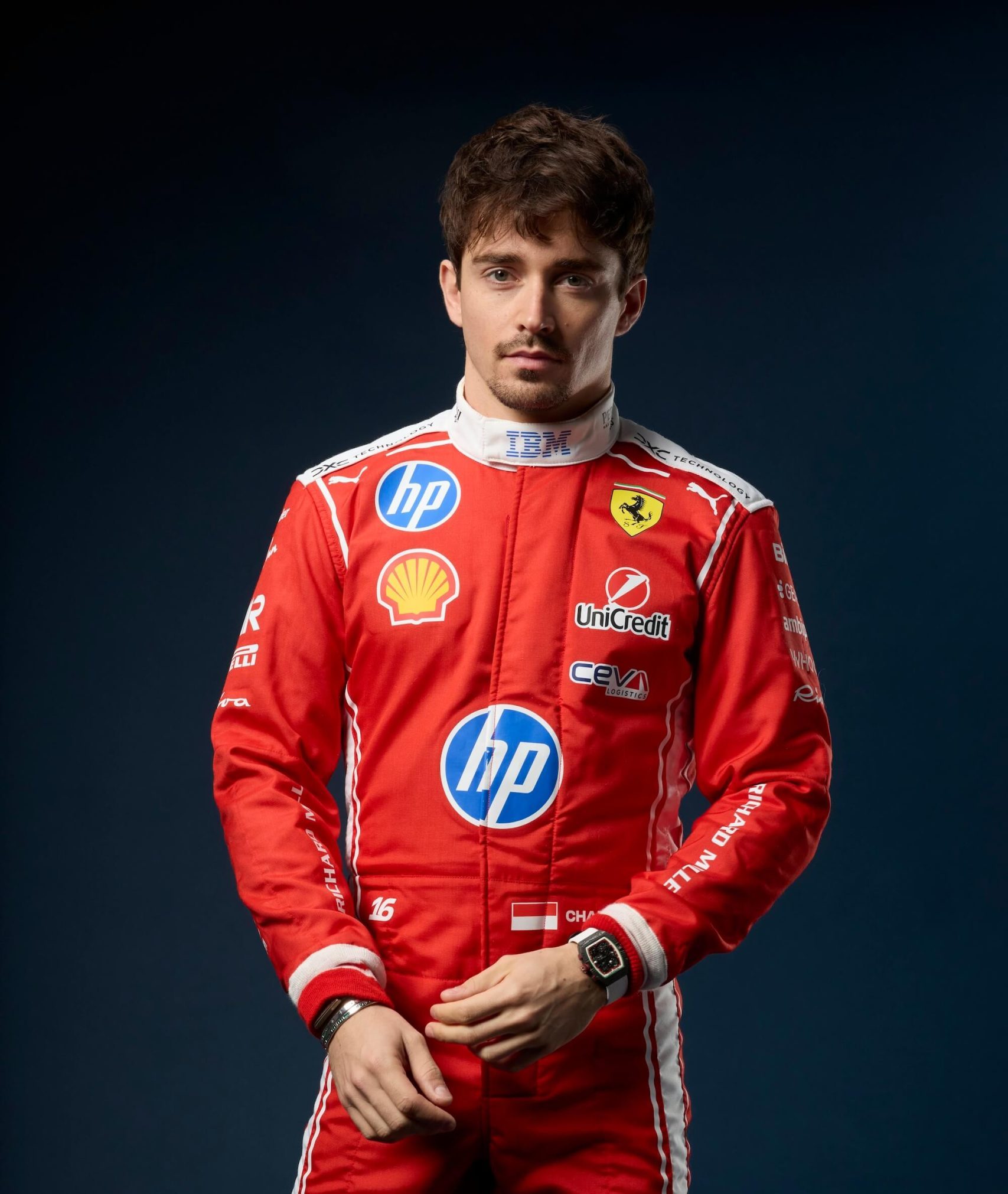
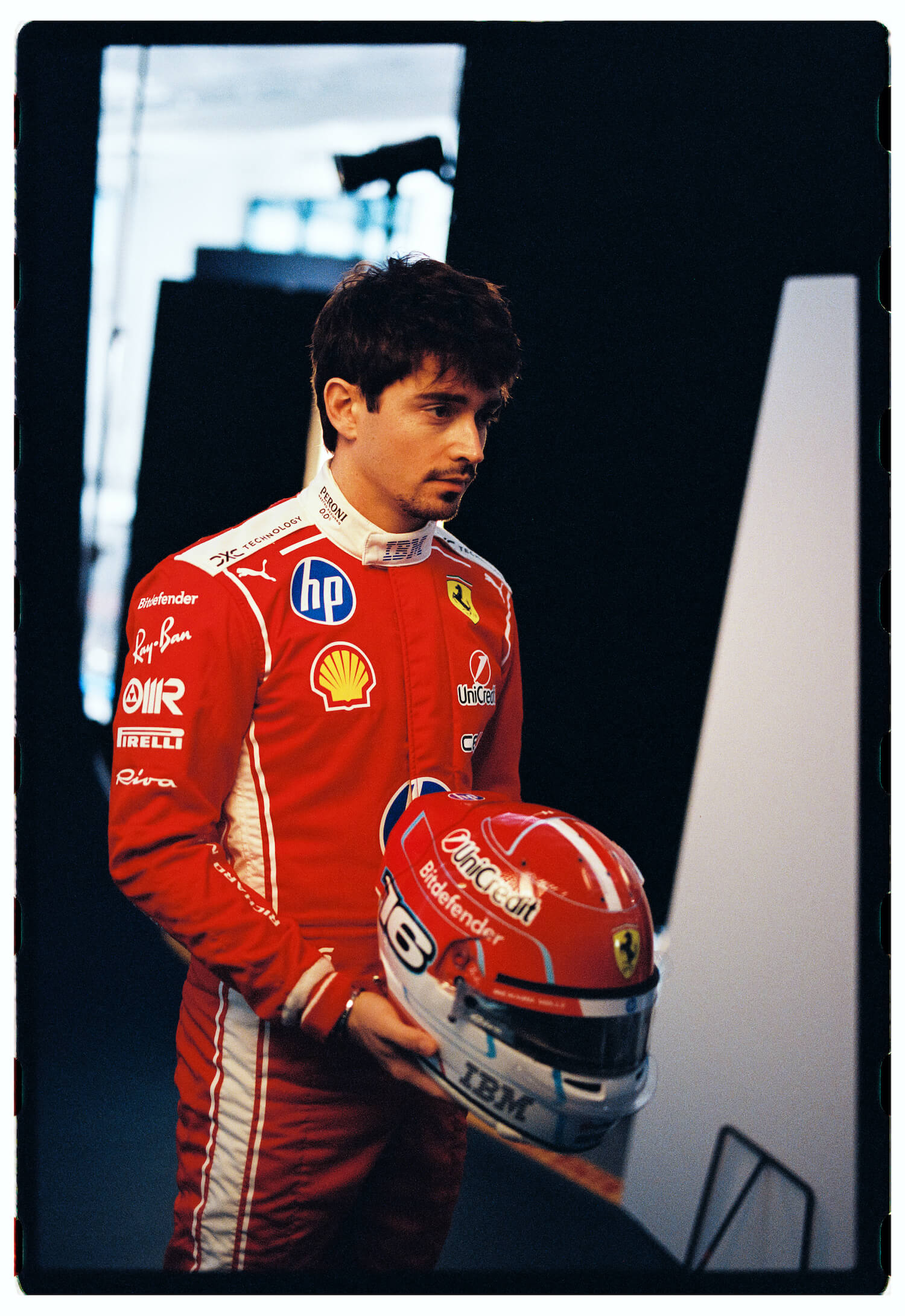
It is no surprise to see renowned drivers like Lewis Hamilton and Charels Leclerc finding a second home in the recording studio. Lewis Hamilton has long established himself as a multi-faceted artist, evolving his craft as an R&B creator for over a decade. While he famously collaborated with Christina Aguilera under the pseudonym XNDA, Hamilton’s dedication to music has transitioned from a private passion to a recognized element of his creative identity. He is joined at Scuderia Ferrari HP by Charles Leclerc, a classically trained pianist whose foray into professional releases has met with significant acclaim; his EPs of ambient, meditative compositions currently draw over 200,000 monthly listeners on Spotify.

As Karageorghis observes, athletes can use very different types of music for very different functions, and the musical choices of Hamilton and Leclerc provide an interesting contrast. Hamilton’s many playlists on music streaming platforms suggest someone who uses music for mood management, while Leclerc’s limpid minimalism suggests someone who uses it for solitude and reset.